


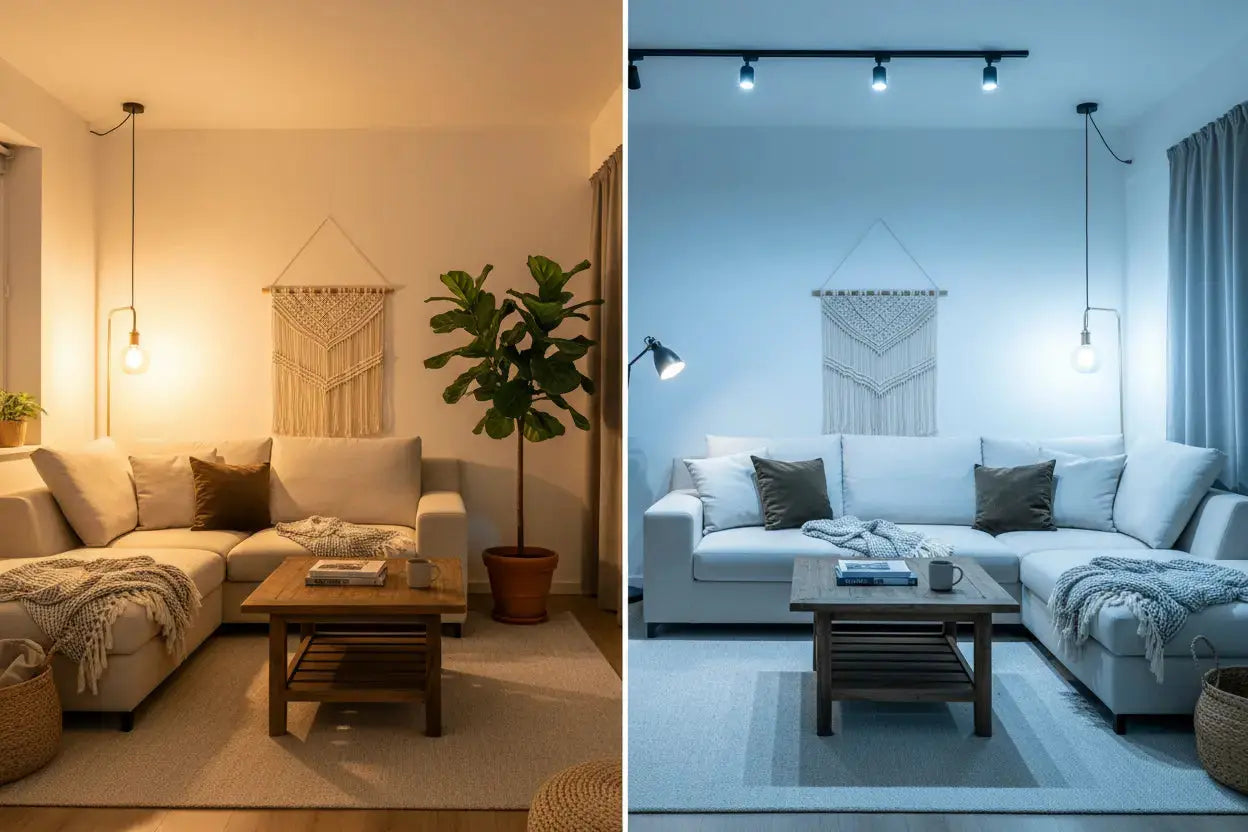
Lighting is not just about brightness. It shapes mood, defines texture, highlights architecture, and quietly influences how we feel inside a space. At Florra Living, we believe a lamp is more than decor it’s emotional design.
One of the most common questions people ask when styling their home is:
Should I choose warm light or cool light?
The answer isn’t as simple as “one is better.” It depends on your space, purpose, and the atmosphere you want to create. In this detailed guide, we’ll break down everything you need to know about warm vs cool lighting — in a practical, easy-to-understand way.
What Is Warm Light?
 Warm light typically falls between 2200K to 3000K on the Kelvin scale. It has a soft yellow, golden, or slightly amber tone.
Think:
- Sunset glow
- Candlelight
- Boutique hotel lighting
- Cozy cafe ambiance
Warm light creates a sense of comfort, intimacy, and relaxation.
Best Places to Use Warm Light:
- Bedroom bedside tables
- Living room corners
- Reading Books
- Dining areas
- Decorative table lamps
- Accent lighting
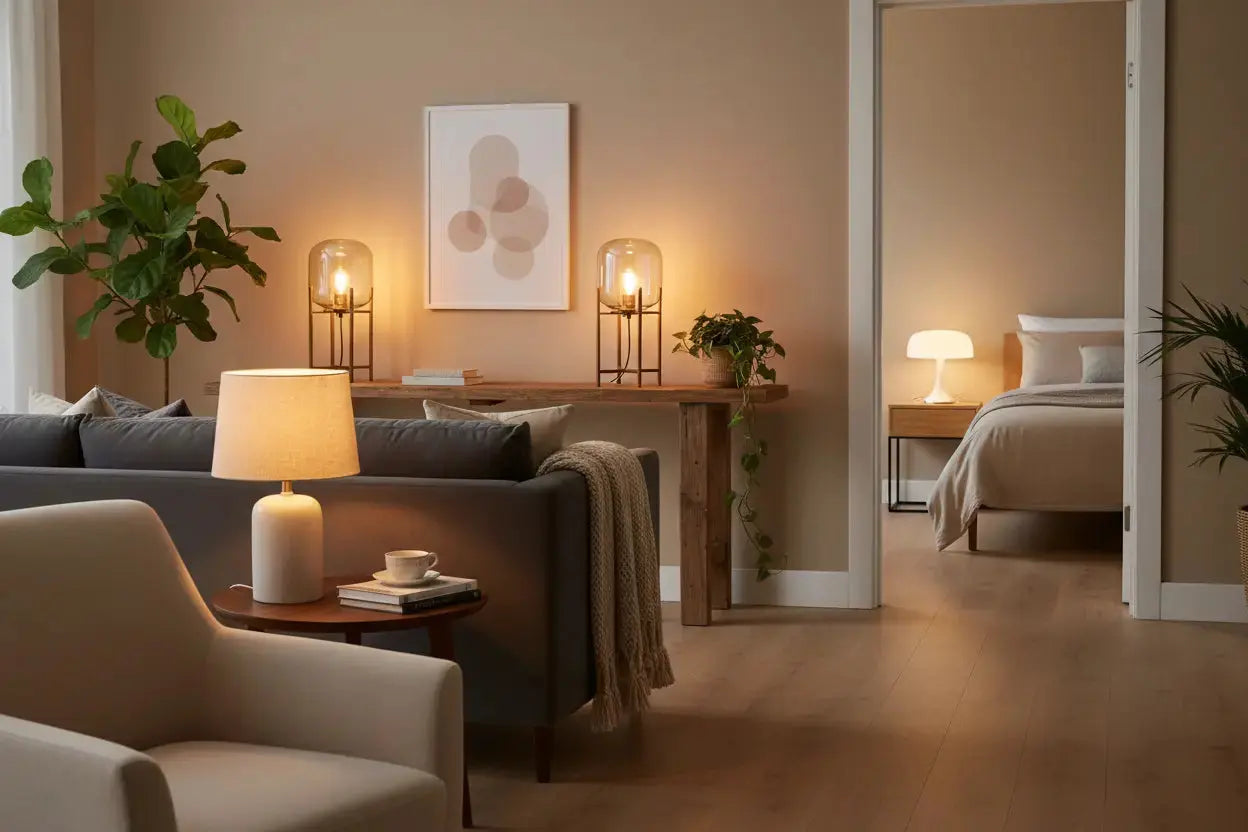
Warm light makes your home feel inviting. It softens harsh edges and enhances wood, beige, cream, and earthy tones beautifully, especially if your interior palette leans toward neutral or warm decor.
For modern apartment homes and young couples styling compact spaces, warm light instantly elevates the emotional warmth of the room.
What Is Cool Light?
Cool light ranges from 4000K to 6500K on the Kelvin scale. It appears white, bluish-white, or daylight-toned.
Think:
- Office lighting
- Daylight brightness
- Modern workspaces
- Clean laboratory feel
Cool lighting enhances clarity and visibility.
Best Places to Use Cool Light:
- Kitchens
- Bathrooms
- Study areas
- Work desks
- Makeup stations
- Garages
Cool light improves focus and alertness. It’s practical and functional, especially where precision matters.
However, too much cool light in living areas can feel clinical or harsh if not balanced properly.
Warm vs Cool Light: Side-by-Side Comparison
| Feature | Warm Light | Cool Light |
|---|---|---|
| Color Tone | Yellow / Golden | White / Bluish |
| Kelvin Range | 2200K–3000K | 4000K–6500K |
| Mood | Cozy, Relaxed | Focused, Alert |
| Best For | Living rooms, Bedrooms | Kitchens, Offices |
| Feel | Soft & Inviting | Bright & Clean |
Which Light Is Better for Your Home?
Both — but in the right places.
A well-designed home doesn’t rely on a single light temperature. It uses layered lighting:
-
Ambient lighting (overall brightness)
-
Task lighting (focused functionality)
-
Accent lighting (mood & aesthetics)
For example:
- Use cool light in the kitchen ceiling.
- Add a warm table lamp in the dining corner.
- Keep bedside lamps warm.
- Use neutral white (around 3500K–4000K) for study tables.
This balance creates depth instead of flat lighting.
Why Warm Light Works Beautifully for Decorative Lamps
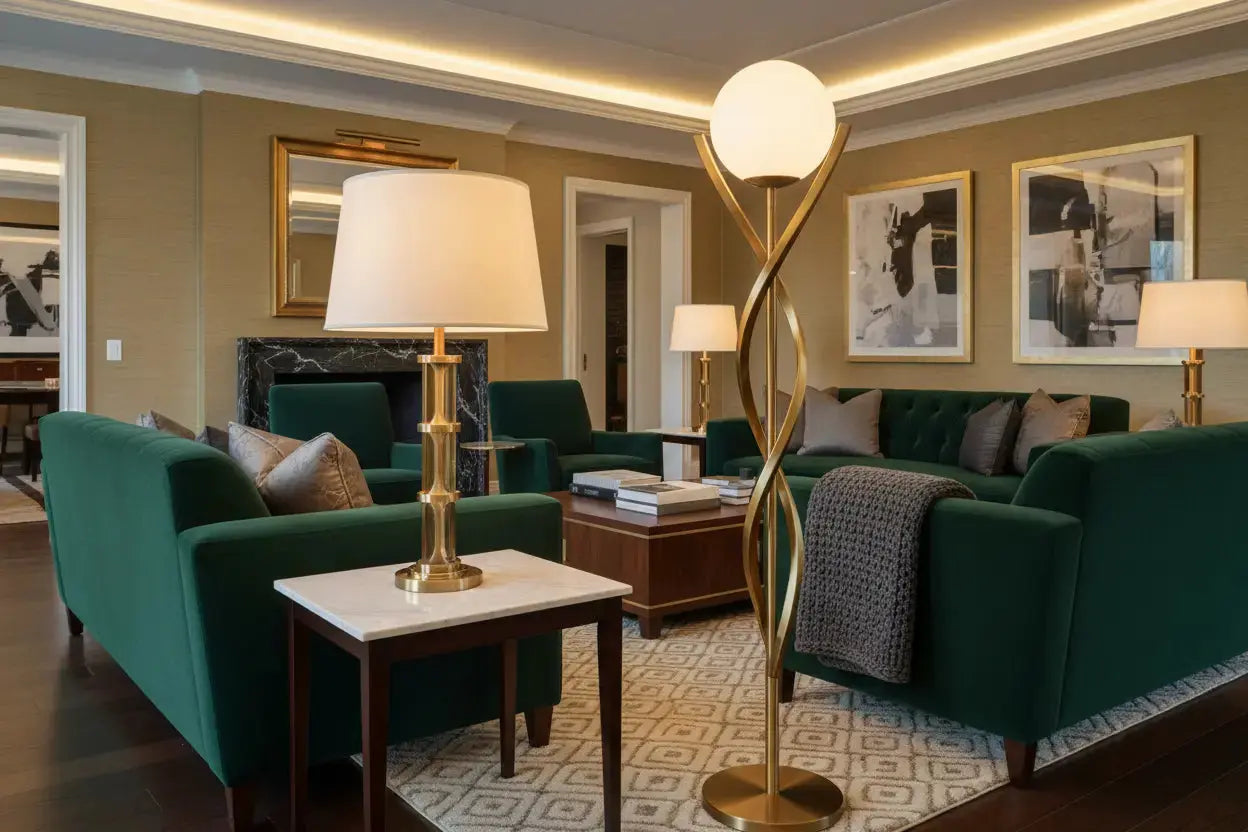
Decorative table lamps — especially sculptural designs — are meant to create atmosphere.
Warm light:
- Enhances textures and ribbed surfaces
- Creates soft shadows
- Makes small apartments feel intimate
- Photographs beautifully for Instagram interiors
- Feels premium and boutique
In modern decor styling, harsh white light can flatten a space. Warm light adds dimension.
If your goal is to create a luxury-inspired but inviting environment, warm lighting is usually the better choice for decorative pieces.
Common Lighting Mistakes to Avoid
-
Using only one light source in a room
-
Installing cool white in bedrooms
-
Mixing random Kelvin temperatures in the same area
-
Ignoring dimmable options
-
Choosing brightness (lumens) without considering warmth
Lighting design is about emotional control — not just brightness.
Share: